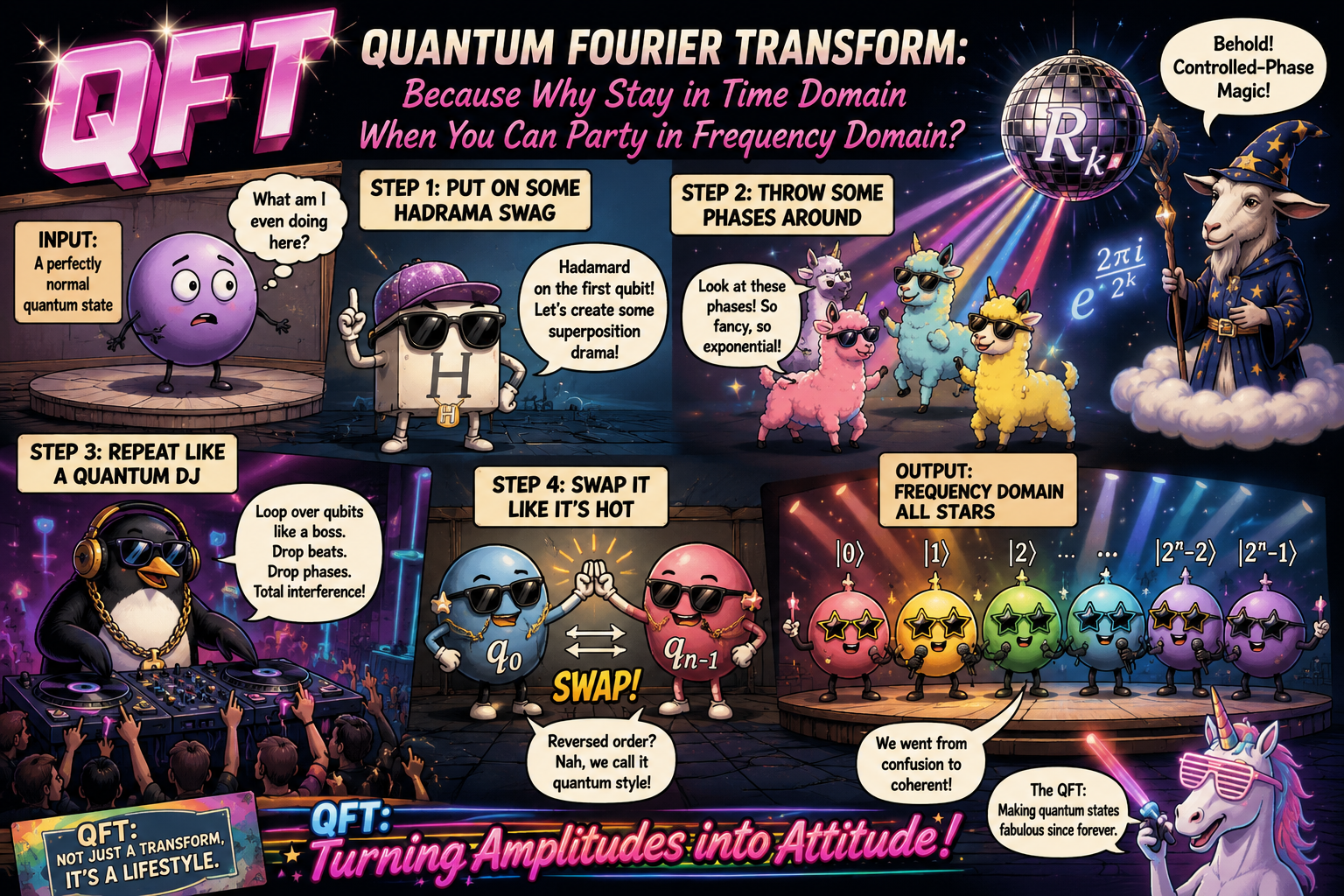
QFT party

Understanding QFT in a simpler way

QFT is such an important piece in the filed of quantum computing. Understanding it is important to master most part of quantum algorithms, so let’s dive in.
August 18, 2026 · 4 min · map[email:dpbm136@gmail.com name:Dpbm]
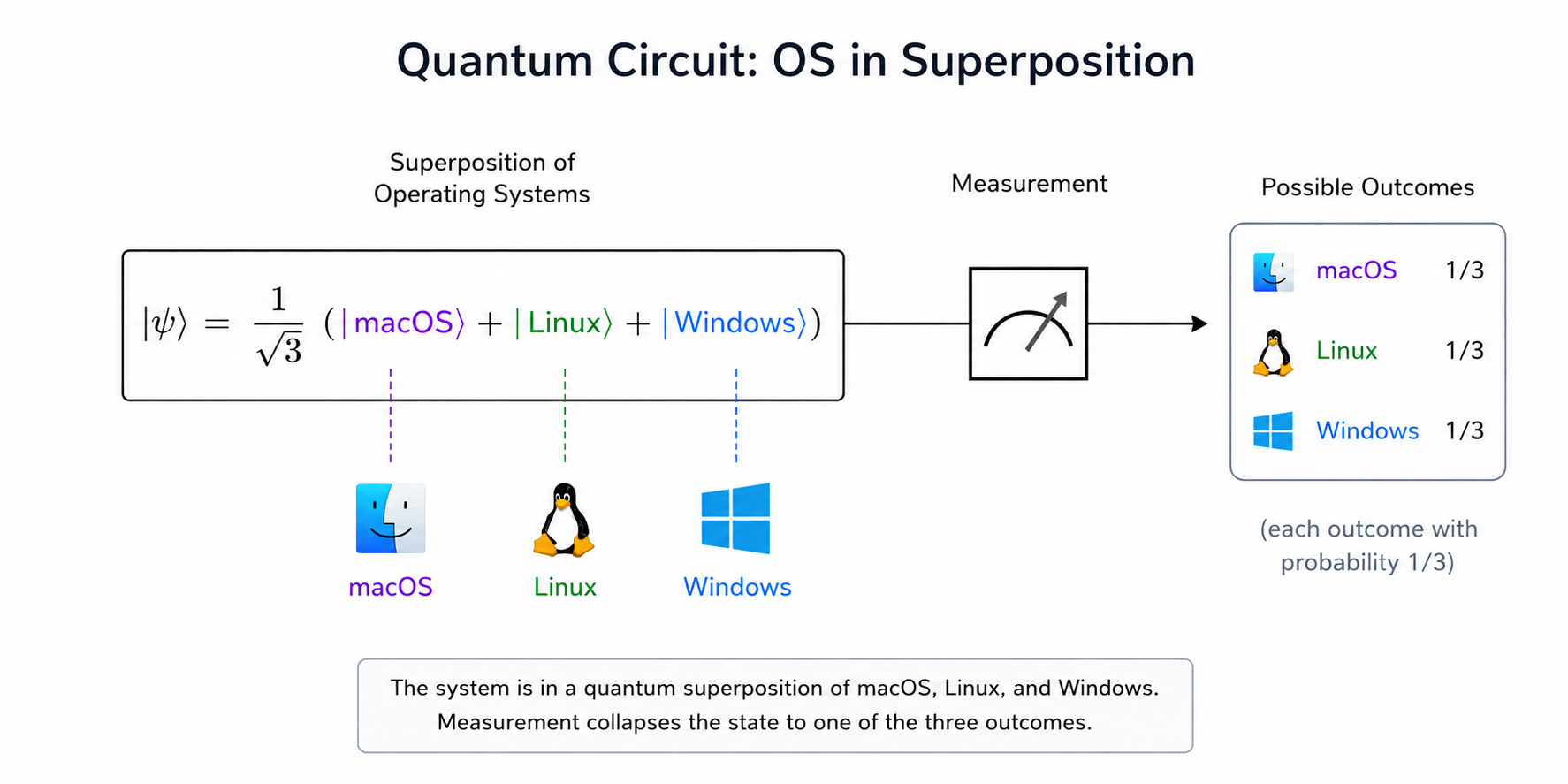
Multiple Operating Systems in Superposition

Are quantum computers turing complete?

Let’s reason if it’s possible to have a general quantum computer like we have with classical
August 16, 2026 · 5 min · map[email:dpbm136@gmail.com name:Dpbm]
The QAOA Algorithm

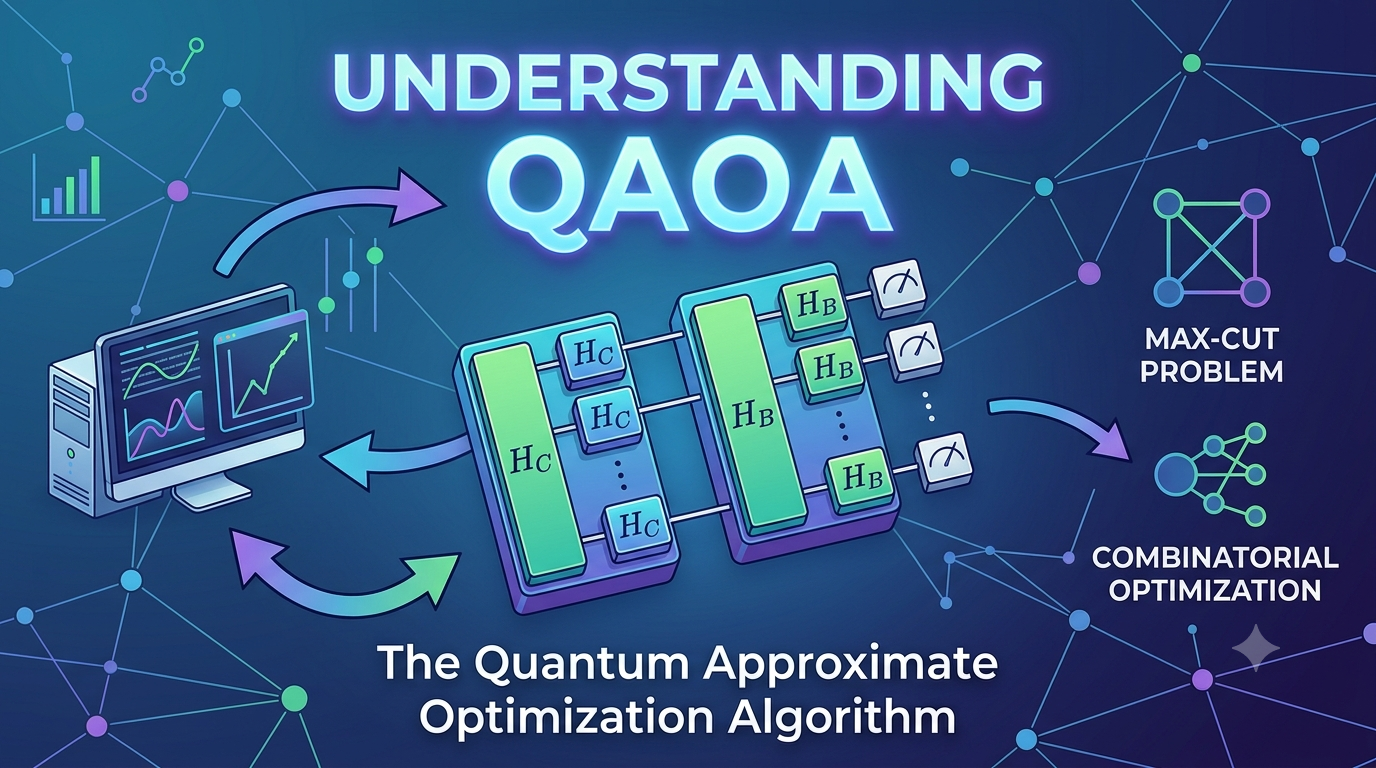
QAOA the simple way

I always struggled with understading deeply the QAOA algorithm, so now I want to pass my understanding in a simpler and more applied way. Basically a way a computer scientist would understand.
July 10, 2026 · 8 min · map[email:dpbm136@gmail.com name:Dpbm]
Wavelets and their applications in image processing and feature extraction

The processing tool nobody talks about!

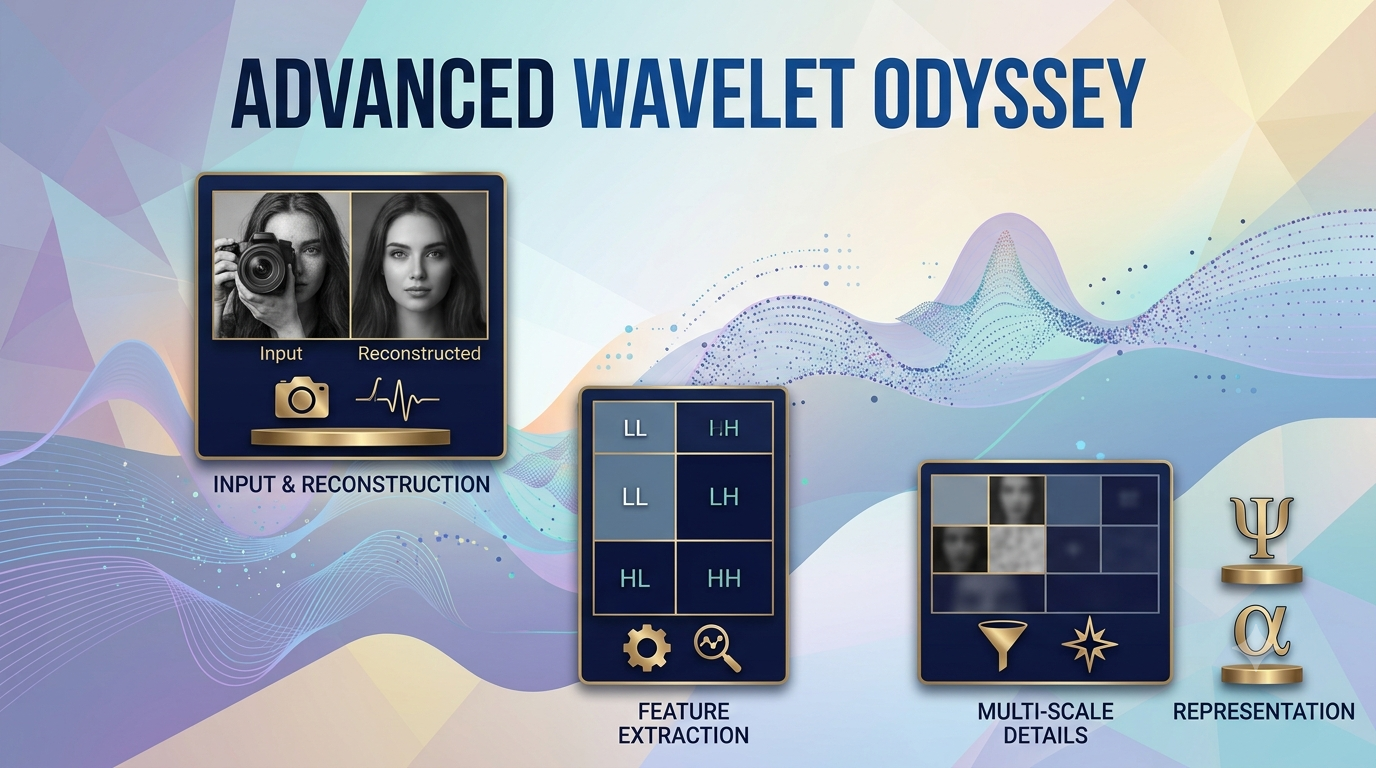
This semester many things happened, discover some interesting stuff about my masters and how Wavelets are amazing in so many ways, including feature extraction and image processing!

July 4, 2026 · 25 min · map[email:dpbm136@gmail.com name:Dpbm]

OpenWRT is like magic

I’ve been working in some projects and for a specific problem I needed to have more control in my network. I need to setup more advanced stuff, like more specific routing rules, etc. I could have done that on my router, but it could affect the usage for my family. So, thank god, I’ve got some old TP-Link routers as a gift from a friend, who was trying to get rid of this “junk”. ...

June 21, 2026 · 2 min · map[email:dpbm136@gmail.com name:Dpbm]

Wavelets for processing images - Kinda cool I'd say

Well, my course on Wavelets transform is reaching the end, which is pretty sad. When I was choosing the subjects to study this semester, this one was the strangest to me, I had never heard of such a topic like that, actually I had heard of DSP for trading and whatever, but never had a formal knowledge on that. Now, that I have a more solid foundation on the topic, I can say that I have no regrets on choosing it. It’s so interesting in so many ways. ...

June 15, 2026 · 5 min · map[email:dpbm136@gmail.com name:Dpbm]

Mallat's algorithm with cuda - Everything I've learned with it

As I pursue my master’s in computer science as by now a non-degree/special student, I decided to attend to two different classes this semester: Algorithms (because I like it) Wavelet Transforms (because it seemed interesting) Algorithms is a pretty well know topic in computer science which you may be familiar with. Everywhere and, weird or not, every class may be related to algorithms in some way (even my wavelet class). For this semester, we learned about some ways to calculate and analyze code to find bottlenecks, performance issues, possible improvements. In general, we learned about asymptotic behavior/analysis, so big O notation and its relatives θ and Ω. I’d like to talk more about this, so I’ll hold this topic for a future post. ...

May 4, 2026 · 11 min · map[email:dpbm136@gmail.com name:Dpbm]

Openclaw for Quantum Simulation

Since I did my zeroclaw setup (post: how-i-failed-on-creating-my-own-ai-agent-rxdcmfxqpempm) I was playing around a bit with LLMs in general. I’ve been using a lot of ChatGPT, Gemini and Perplexity for studying and clarification in some topics. I also tested the new Muse Spark model from Meta AI and Github Copilot with Claude Haiku. Vibe coding is something that I always abominate, but after testing I found it very useful for prototyping and doing frontend applications fast, for that I installed Antigravity (take a look at the interface of my app: fngames). Even reported some exposed OpenAI API Keys for some companies. ...

April 17, 2026 · 8 min · map[email:dpbm136@gmail.com name:Dpbm]

How I failed on creating my own AI agent

So, I suppose that at this point, everyone has heard at least a bit about agents and Openclaw. This buzzy words came out of sudden and became the words of the decade. As a tech guy, I’m loving all the possibilities we have with them and for sure they are great tools. Despite of that, I had never had a grasp on creating my own agents, even though I always wanted. ...

March 20, 2026 · 9 min · map[email:dpbm136@gmail.com name:Dpbm]

What's Python __future__?

These are the notes I took to do my video about python futures, which is available here: and here: De volta Para o Futuro do Python - Python future - tiktokt video Unfortunately, all the videos are in portuguese. However, my notes are available bellow and the code is open source and available here: https://github.com/Dpbm/video-python-futures. Enjoy :) Notes Allows you to tell the compiler that you want to use a standard that will come in future releases. Is done by simply importing from __future__. Must be added on the top of the file, since it changes the way the file is parsed. Otherwise, it raises a SyntaxError. Tells the compiler you want an specific part of your code to act is it will be the default in the future. division calls __truediv__ instead of __div__. The from __future__ import whatever is a future clause, but you can also import the __future__ module with import __future__. The future itself is an object that contains metadata about the very feature, like versions and etc. Some futures are only supported by specific versions of python2, so older versions may need more workarounds than newer ones. That’s why future and six are so useful in these cases. Python 2.7 cli had a flag -3 that warned you when there was some statements that couldn’t be trivial to fix using 2to3. __future__ works since python 2.1. There are flags that can be passed to compile() to dynamically use future features. Only feature that requires future statements is annoations. Any code compiled with exec() or compile() will use the new statements when using futures in the module. Interactive session also can use futures. Only docstrings, comments, blank lines and other future statements can appear before it. Future object has 2 elements containing tuples with 5 elements. The first one describes the Optional release, which is the first release the feature was accepted. And the second is the Mandatory Release, describes either when the feature became part of the language, or a prediction of when it will be or can be None if it was dropped. Usually, Optional < Mandatory. six Used to wrap differences between python $2$ and $3$. Is a single python file being easy to copy into a project whenever needed. future A package to make a compatibility layer for python2-3 code. Based on the 2to3 module. Not necessary anymore. Add supports for the standard library. 2to3 A library builtin python. Transforms python2 code into python3 compatible. Was removed from Python3.13. References https://docs.python.org/3.13/library/future.html https://www.reddit.com/r/learnpython/comments/8ialj1/how_does_future_work/ https://stackoverflow.com/questions/7075082/what-is-future-in-python-used-for-and-how-when-to-use-it-and-how-it-works https://pt.stackoverflow.com/questions/126466/para-que-serve-o-m%C3%B3dulo-future https://www.geeksforgeeks.org/python/future-module-in-python/ https://stackoverflow.com/questions/5937251/writing-python-2-7-code-that-is-as-close-to-python-3-x-syntax-as-possible https://six.readthedocs.io/ https://pypi.org/project/future/ https://python-future.org/overview.html https://docs.python.org/3.8/library/2to3.html https://docs.python.org/3/whatsnew/3.13.html https://sources.debian.org/src/python2.7/2.7.9-2/Modules/future_builtins.c https://github.com/python/cpython/blob/main/Lib/future.py http://python3porting.com/noconv.html https://docs.oracle.com/cd/E86824_01/html/E54763/python2-7-1.html https://docs.python.org/3.13/library/future.html https://docs.python.org/3/library/functions.html#compile https://docs.python.org/3.13/reference/simple_stmts.html#future https://peps.python.org/pep-0236/ https://peps.python.org/pep-0563/ https://peps.python.org/pep-0649/ https://peps.python.org/pep-0749/#the-future-of-from-future-import-annotations

March 20, 2026 · 3 min · map[email:dpbm136@gmail.com name:Dpbm]