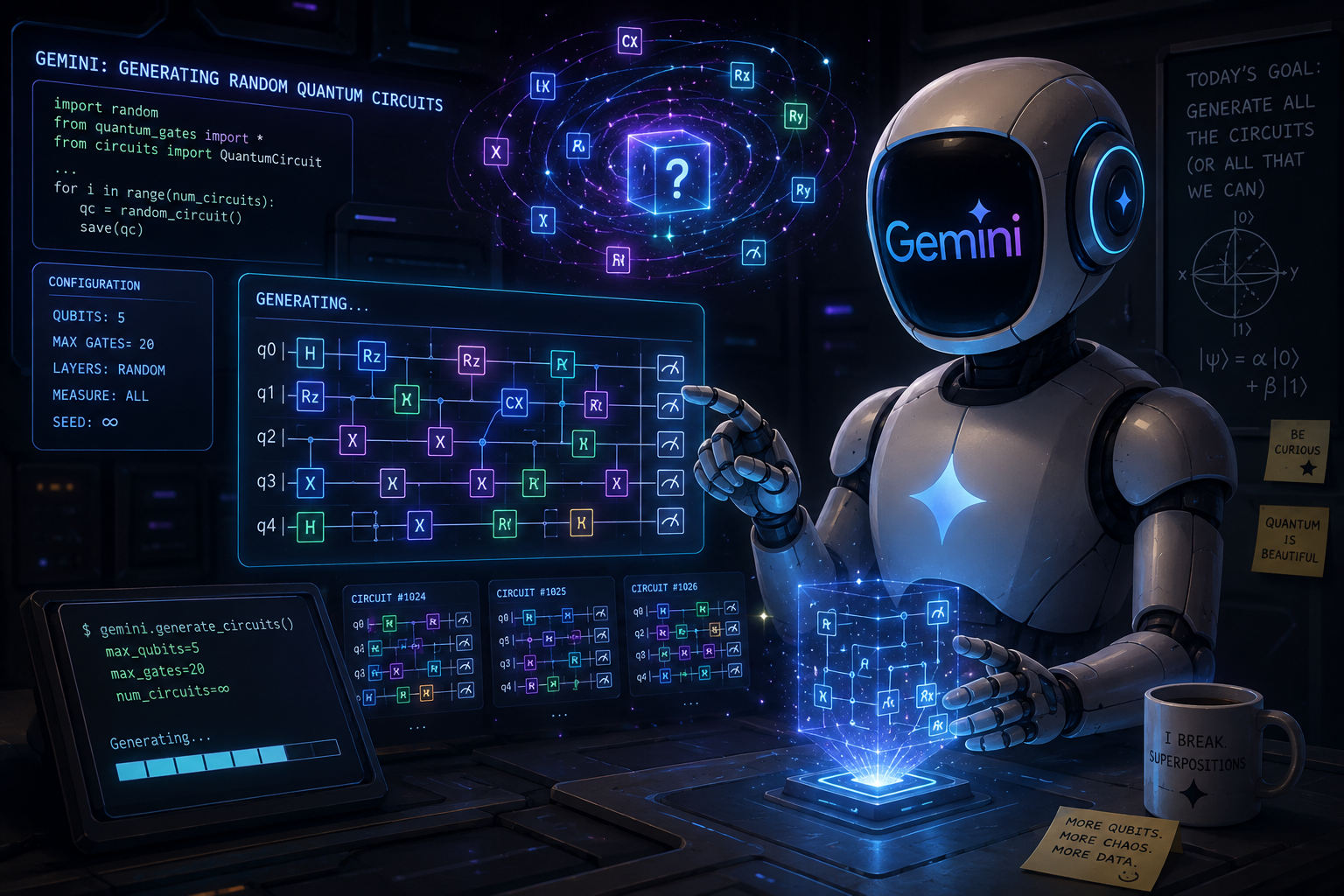
Gemini saved my project (again)
How I used Gemini to improve a random circuit generator
How I used Gemini to improve a random circuit generator
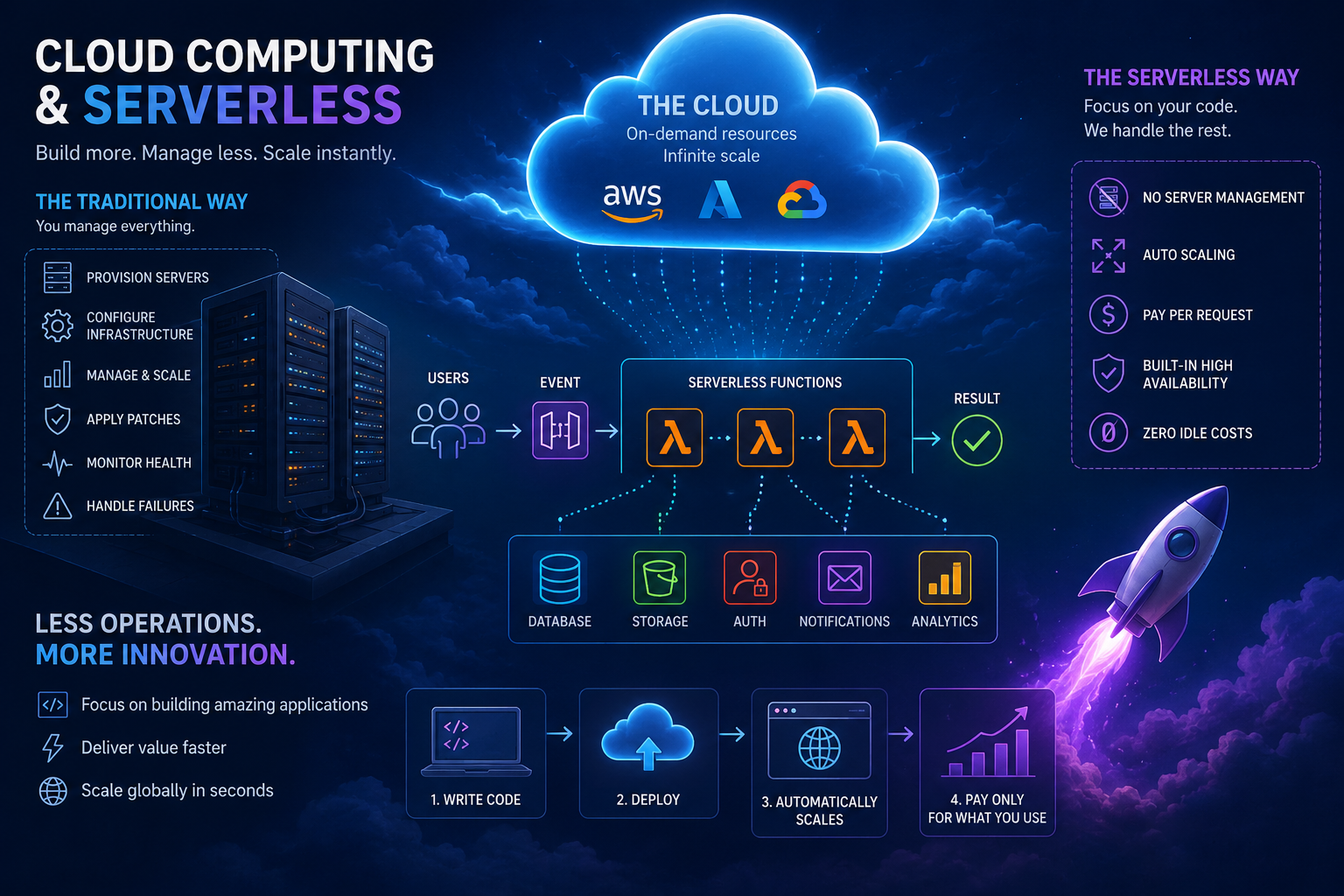
Um pouco sobre minha pesquisa em Serverless e Cloud
Some notes about linear regression
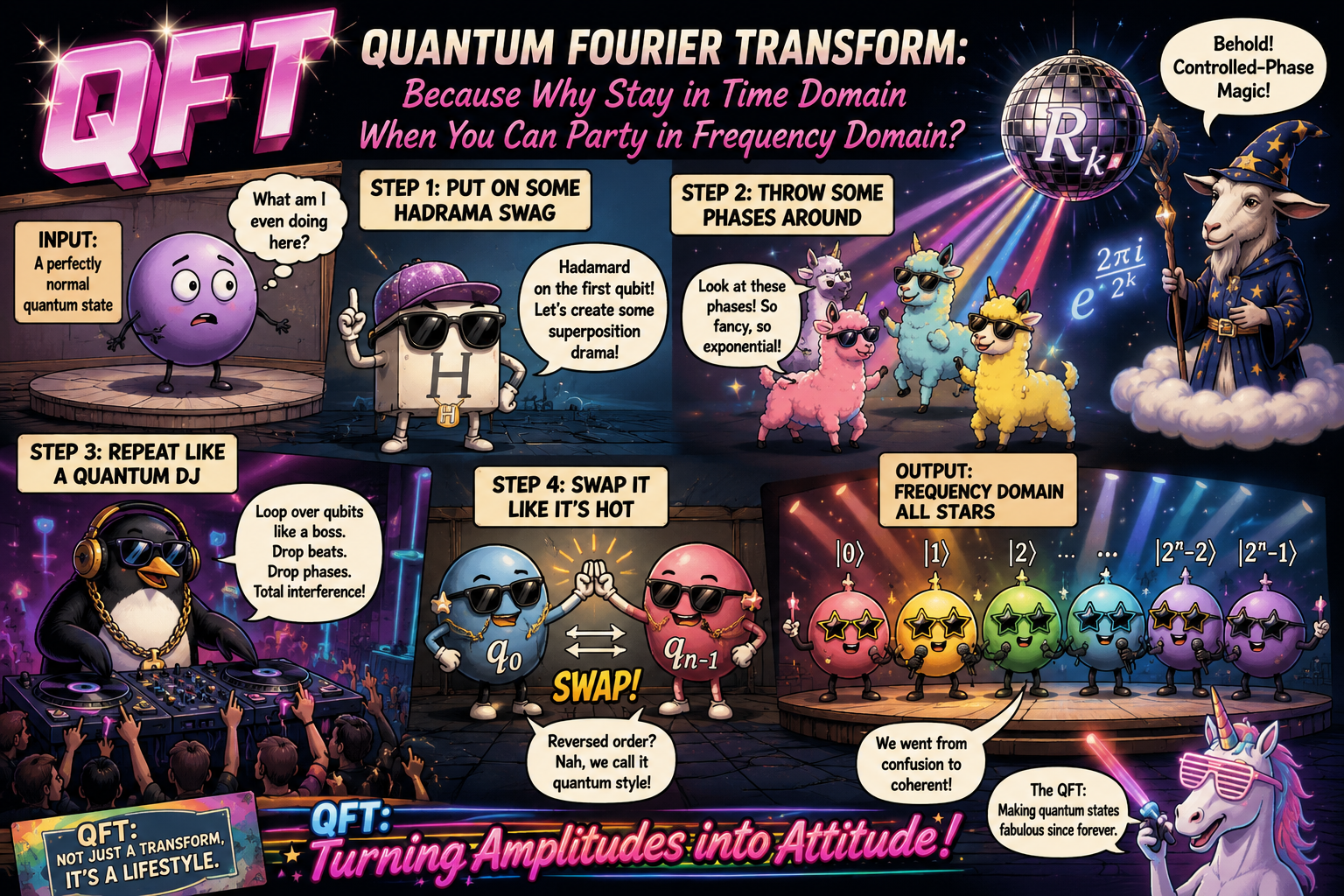
QFT is such an important piece in the filed of quantum computing. Understanding it is important to master most part of quantum algorithms, so let’s dive in.
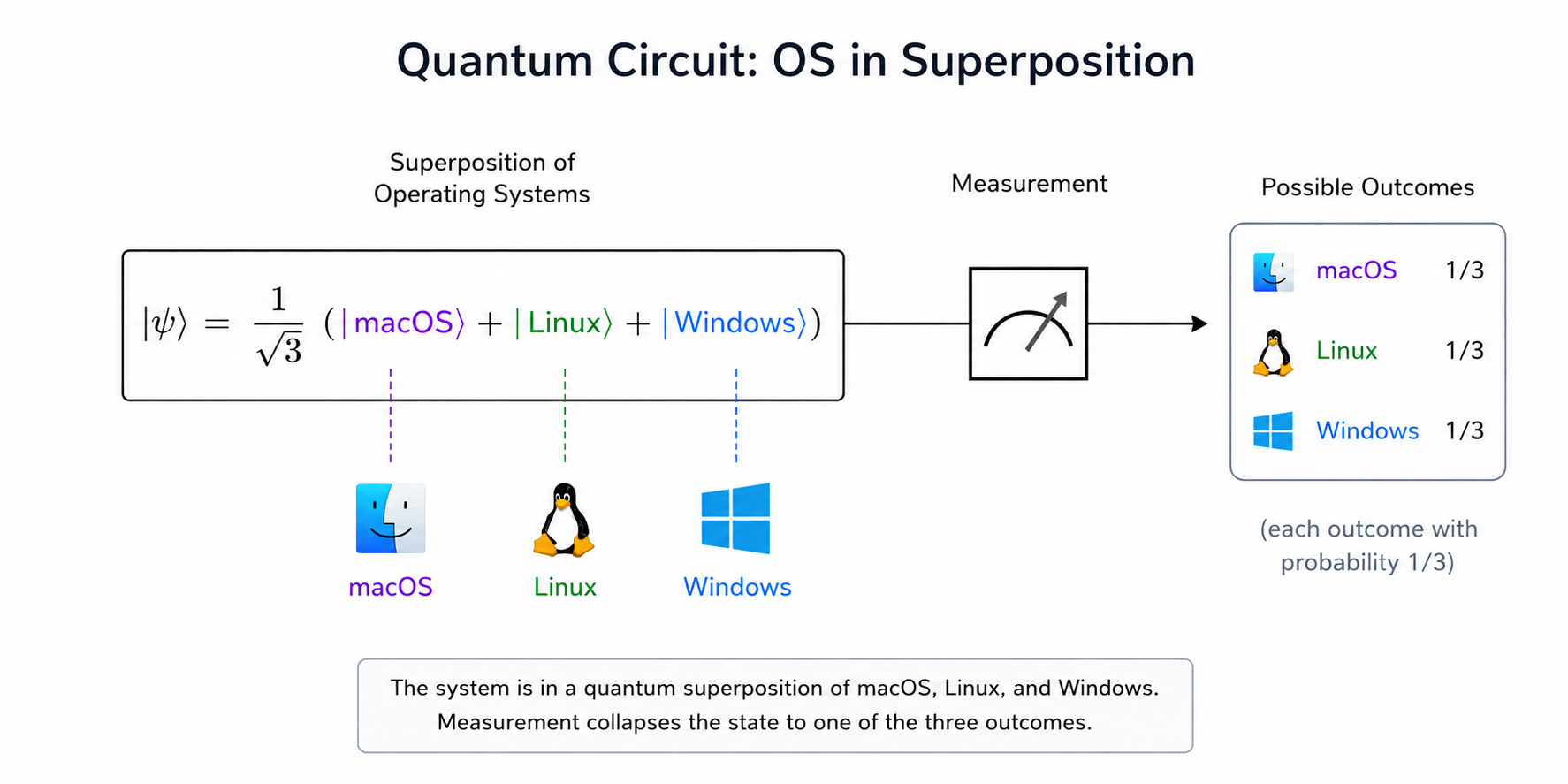
Let’s reason if it’s possible to have a general quantum computer like we have with classical
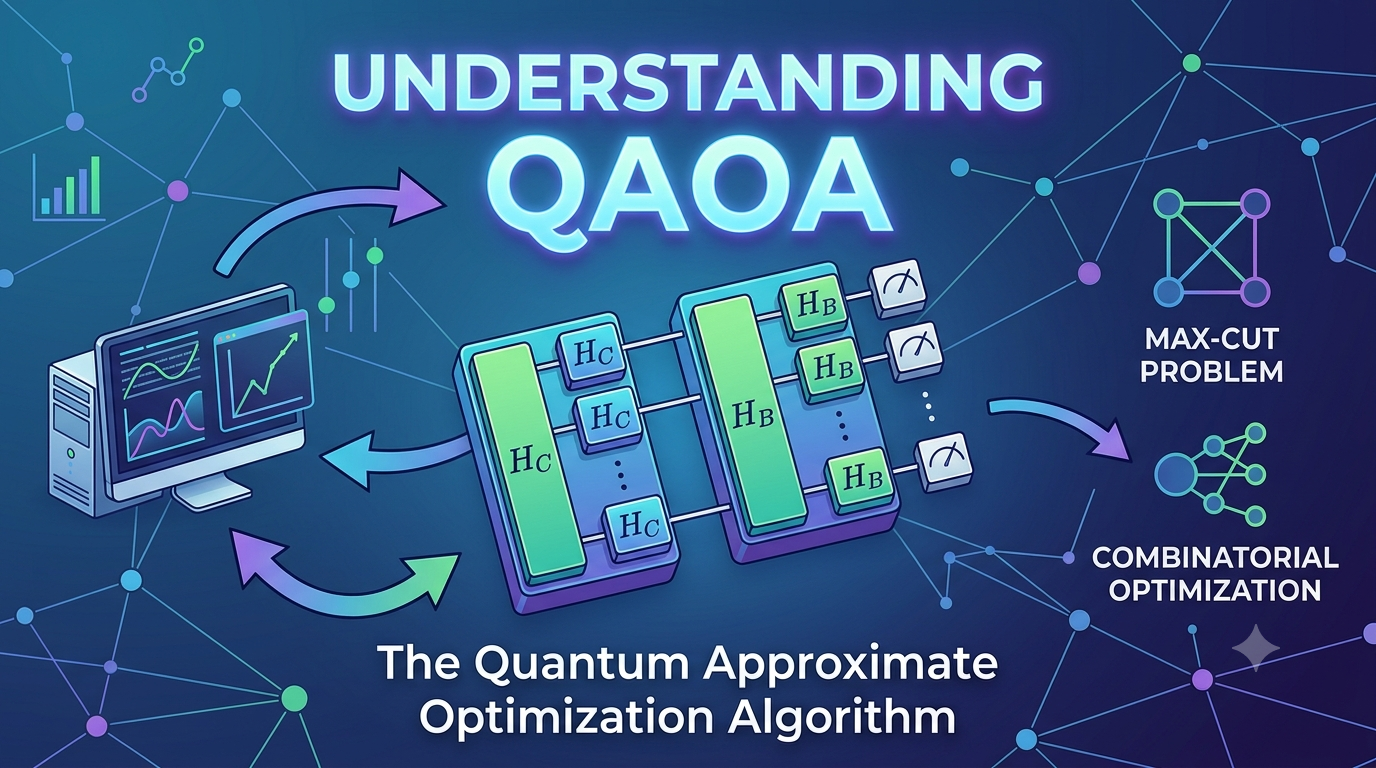
I always struggled with understading deeply the QAOA algorithm, so now I want to pass my understanding in a simpler and more applied way. Basically a way a computer scientist would understand.
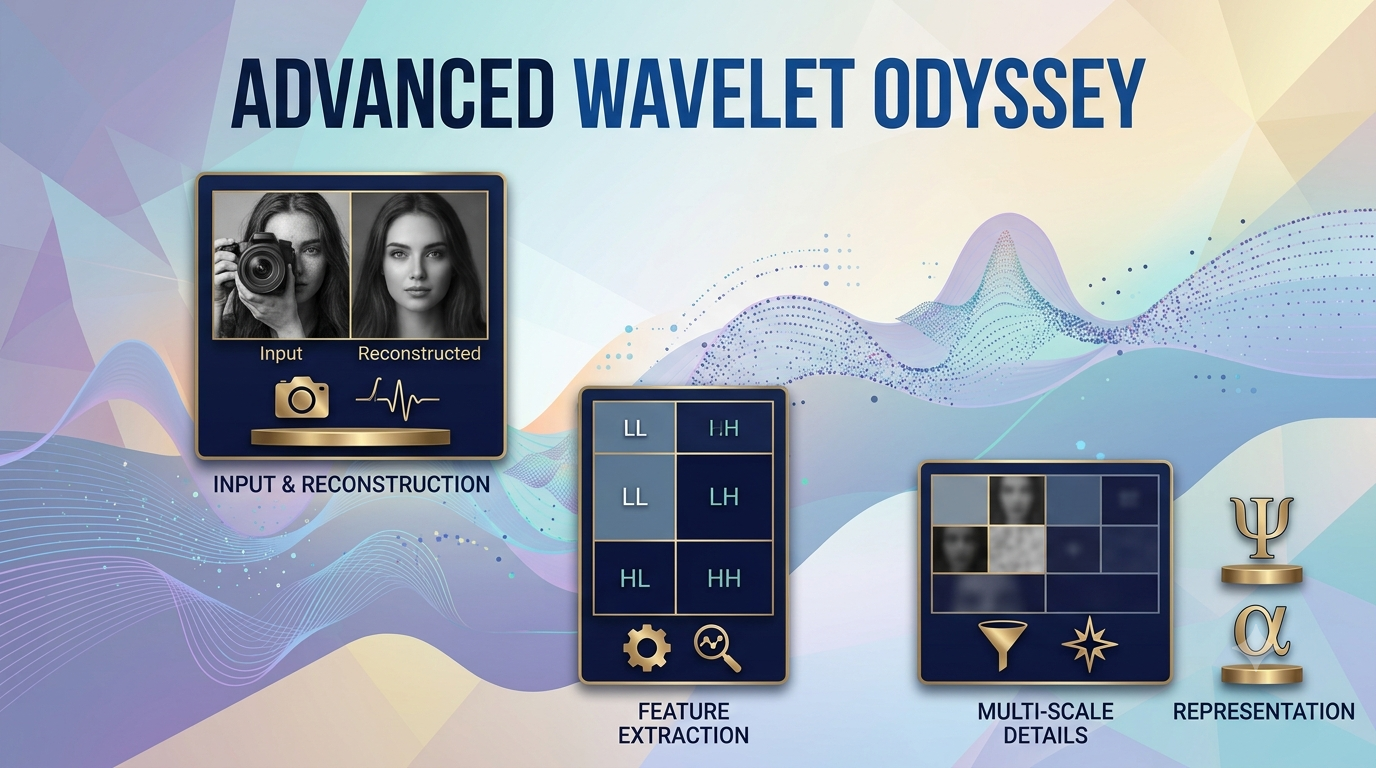
This semester many things happened, discover some interesting stuff about my masters and how Wavelets are amazing in so many ways, including feature extraction and image processing!
I’ve been working in some projects and for a specific problem I needed to have more control in my network. I need to setup more advanced stuff, like more specific routing rules, etc. I could have done that on my router, but it could affect the usage for my family. So, thank god, I’ve got some old TP-Link routers as a gift from a friend, who was trying to get rid of this “junk”. ...
Well, my course on Wavelets transform is reaching the end, which is pretty sad. When I was choosing the subjects to study this semester, this one was the strangest to me, I had never heard of such a topic like that, actually I had heard of DSP for trading and whatever, but never had a formal knowledge on that. Now, that I have a more solid foundation on the topic, I can say that I have no regrets on choosing it. It’s so interesting in so many ways. ...
As I pursue my master’s in computer science as by now a non-degree/special student, I decided to attend to two different classes this semester: Algorithms (because I like it) Wavelet Transforms (because it seemed interesting) Algorithms is a pretty well know topic in computer science which you may be familiar with. Everywhere and, weird or not, every class may be related to algorithms in some way (even my wavelet class). For this semester, we learned about some ways to calculate and analyze code to find bottlenecks, performance issues, possible improvements. In general, we learned about asymptotic behavior/analysis, so big O notation and its relatives θ and Ω. I’d like to talk more about this, so I’ll hold this topic for a future post. ...